…in THE NEW YORK TIMES July 31, 2022
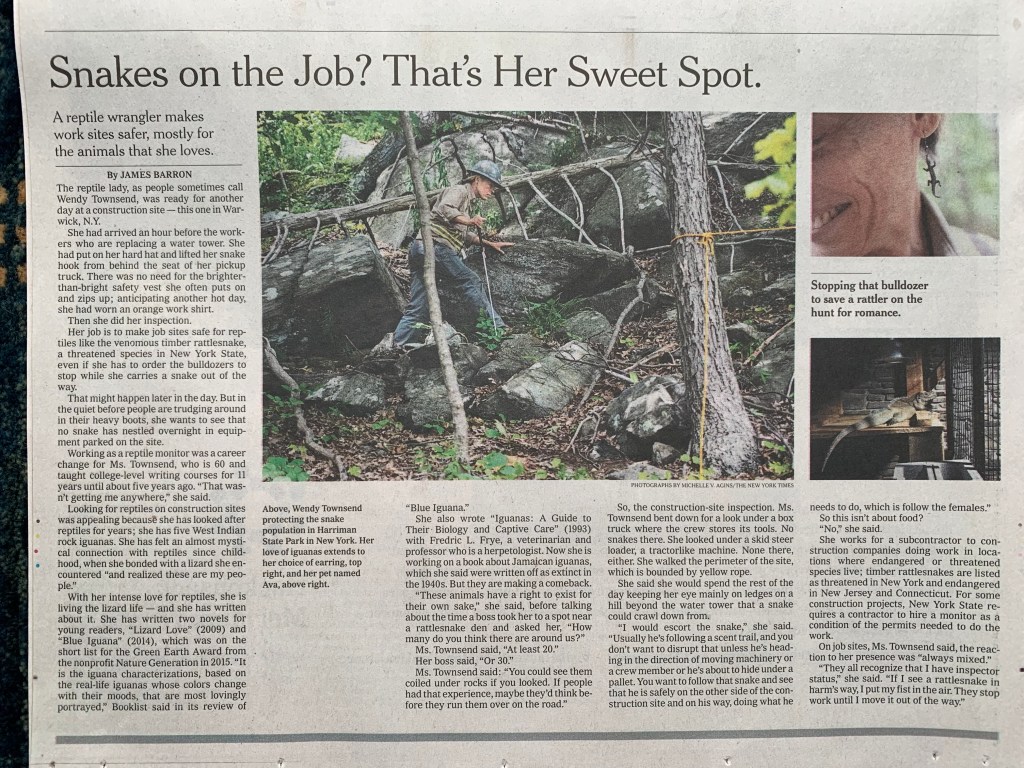
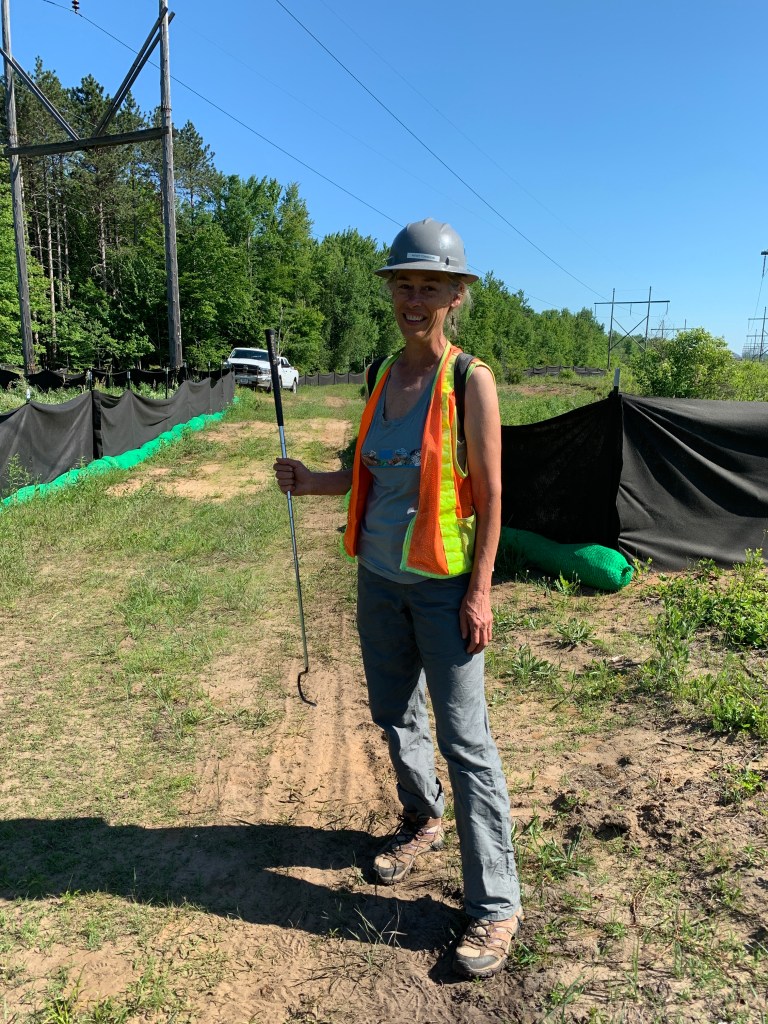
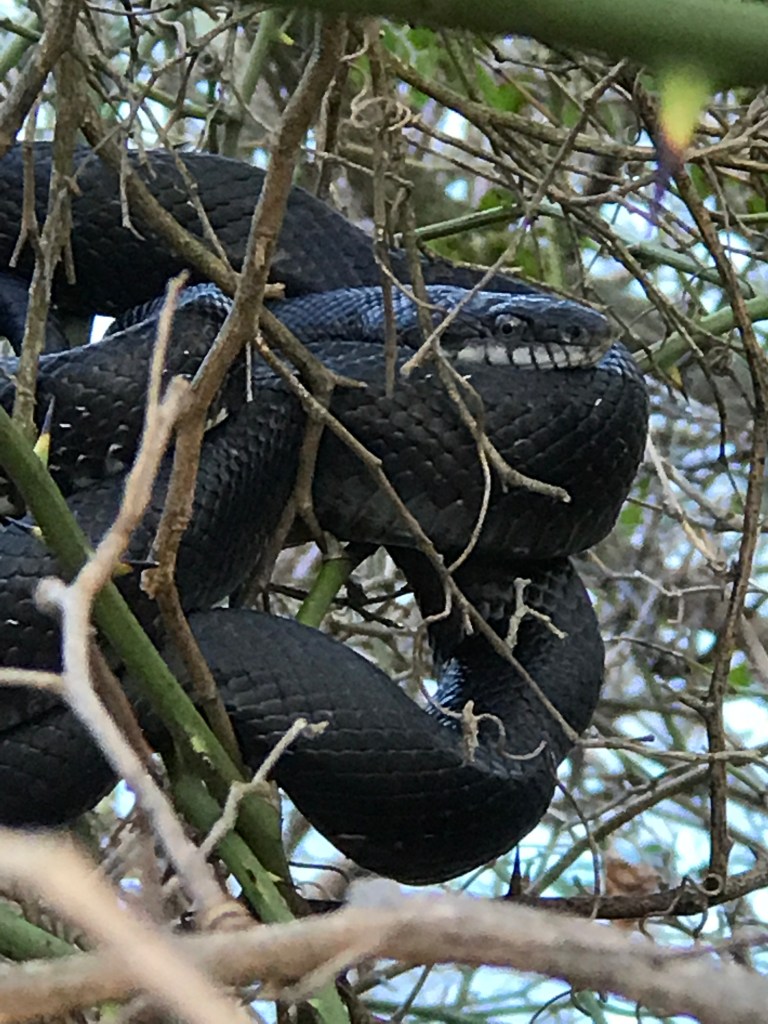
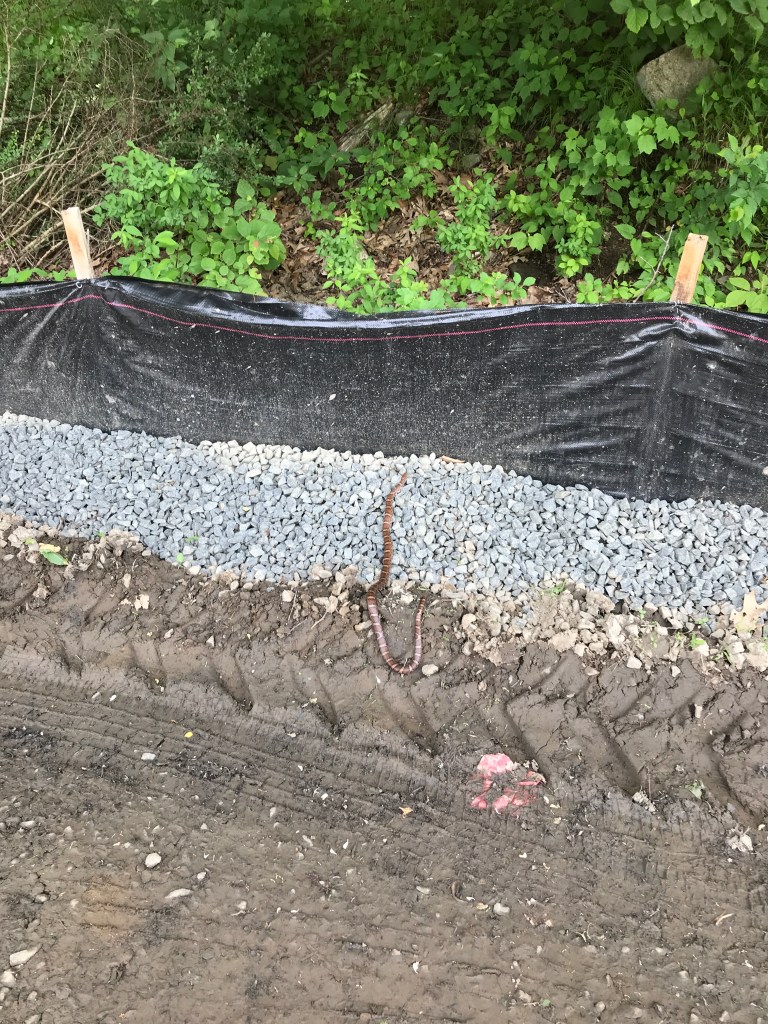
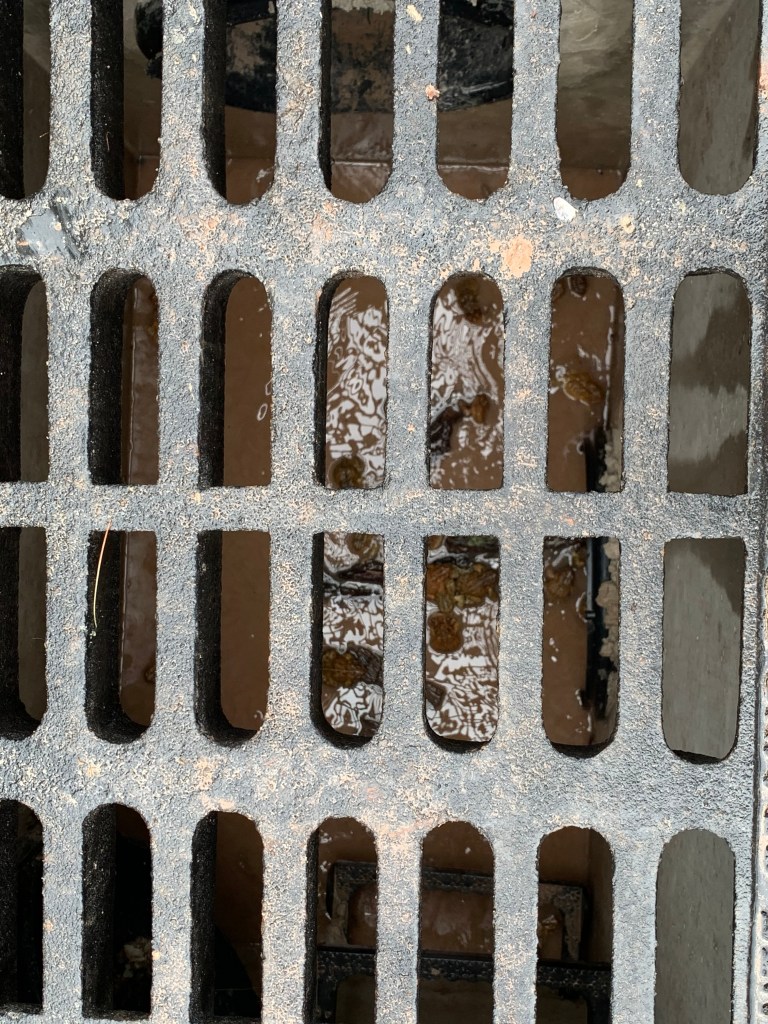
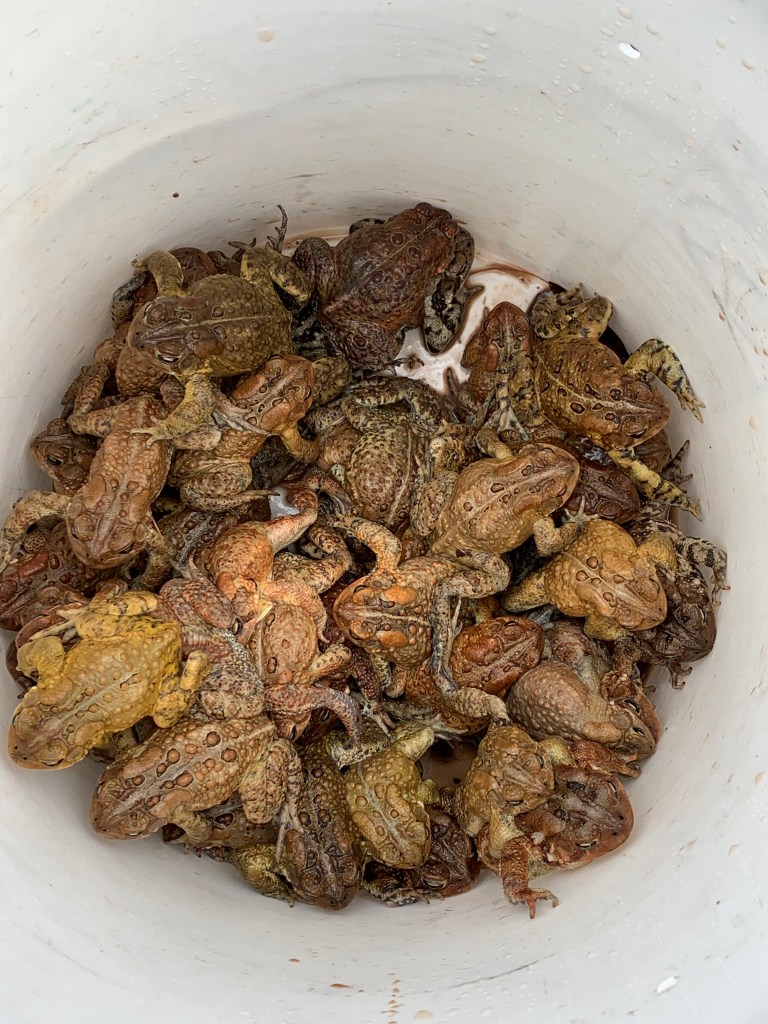
My job is to keep threatened snake and turtle species out of harm’s way on utility construction and repair sites. But I also do my best to protect frogs, toads, all snakes and turtles, birds, spiders, praying mantes and all kinds of wildlife.
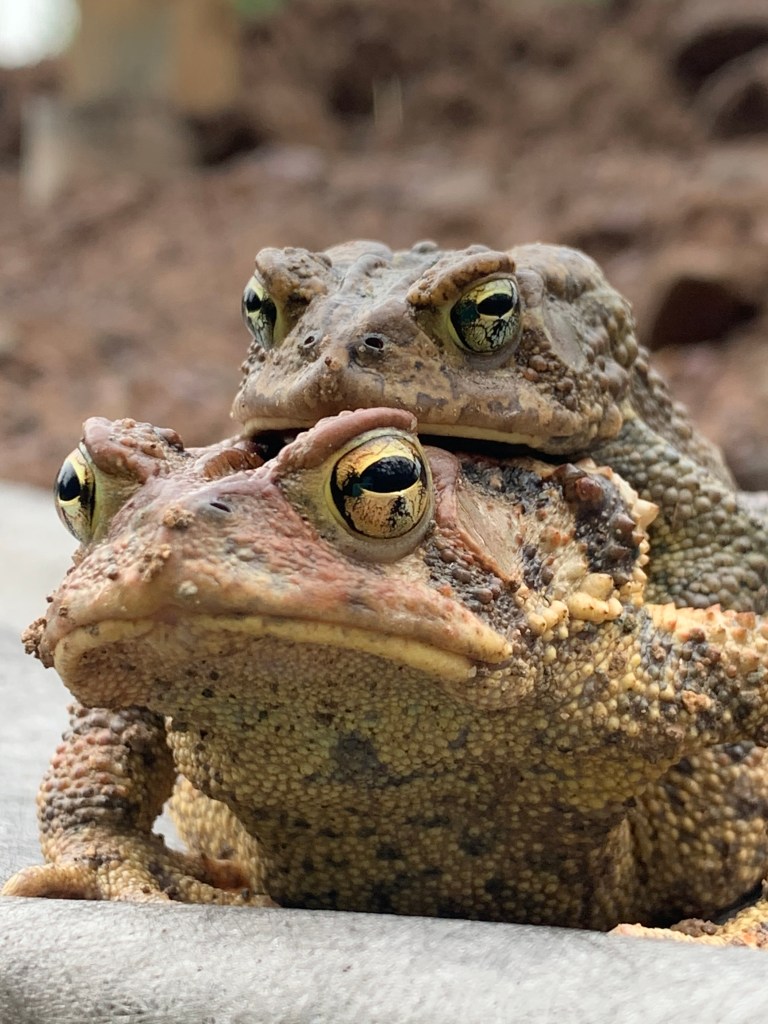
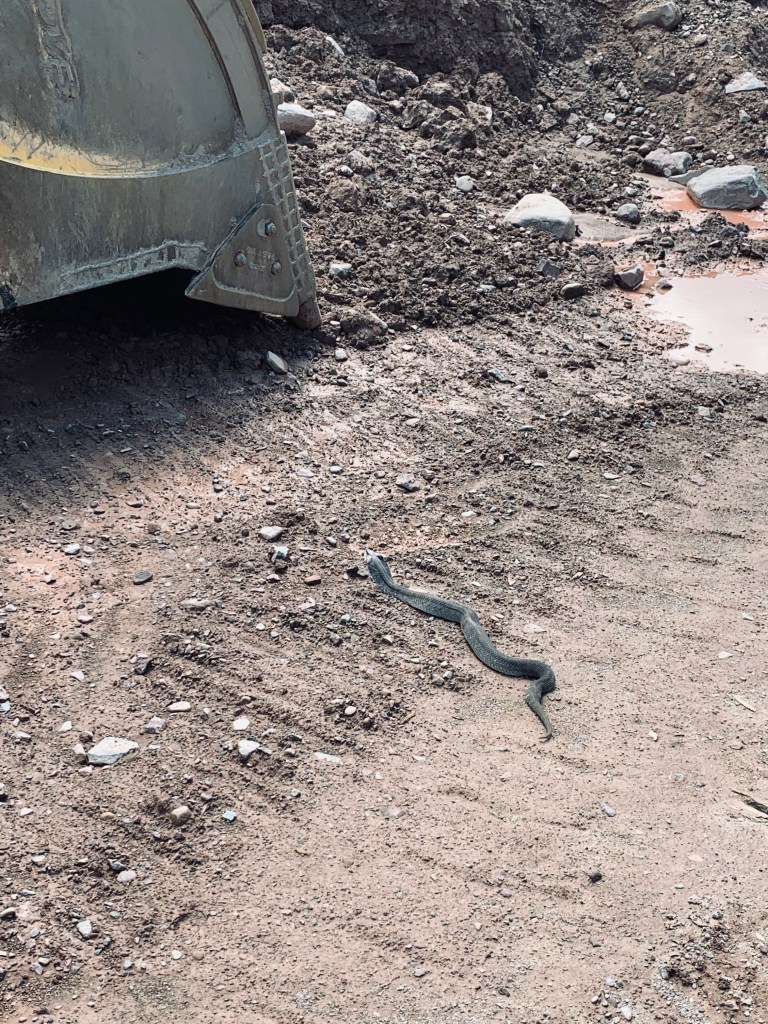

Here are excerpts from three of my essays inspired by my job:
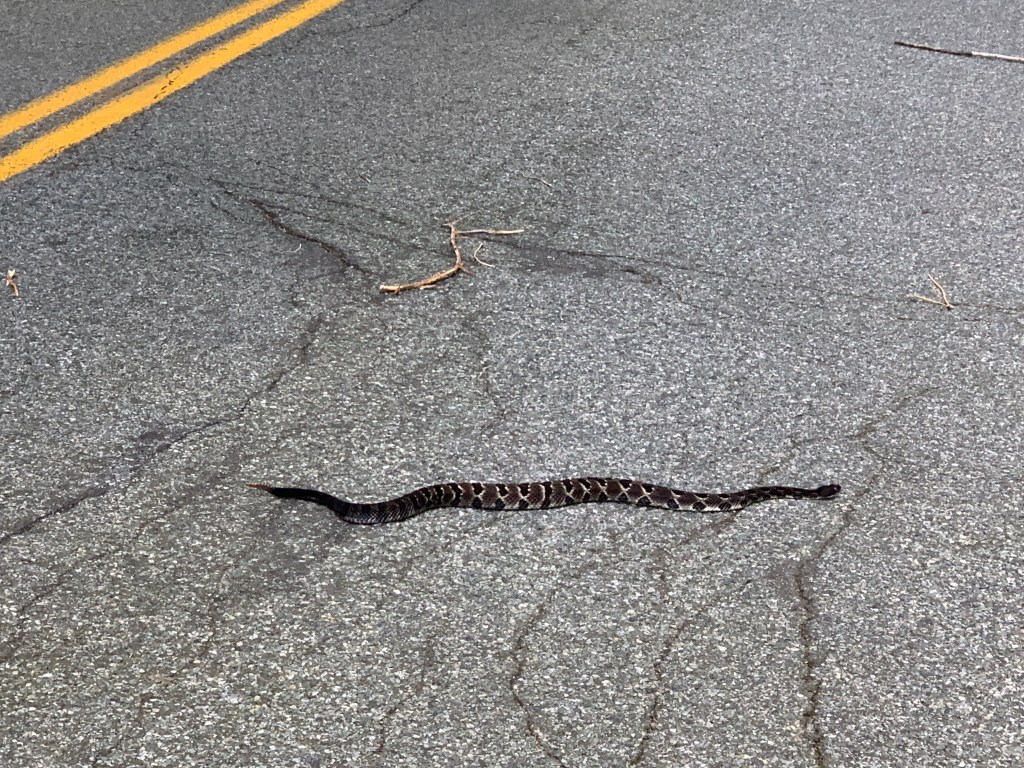
Nobody Loves Rattlesnakes
Since April 2018, I’ve worked as a reptile monitor in the Northeast. If heavy machinery is disturbing the ground within range of a rare turtle habitat or a rattlesnake den, the law requires a reptile monitor to be present during work hours….
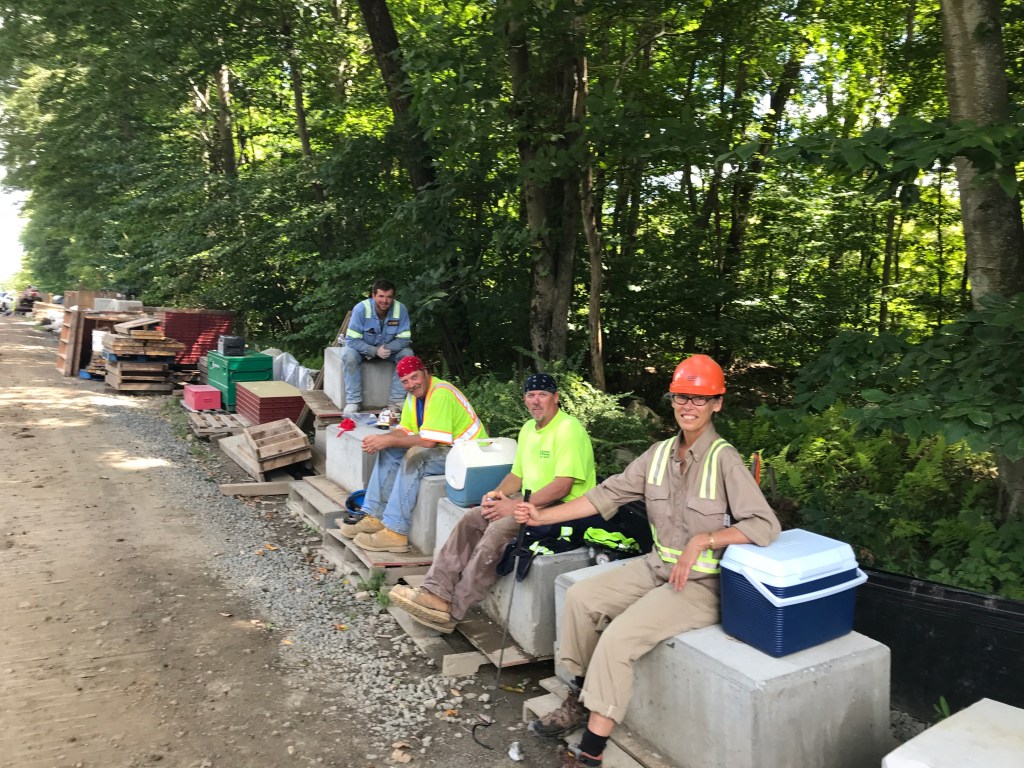
…One sunny afternoon in September, I walked the site, looking over the break area where guys smoked cigarettes and drank coffee. I’d already checked it twenty times that day. But on the twenty-first pass, I saw the edge of yellow-and-brown-patterned coils under a pallet of stacked boxes filled with pipeline hardware.
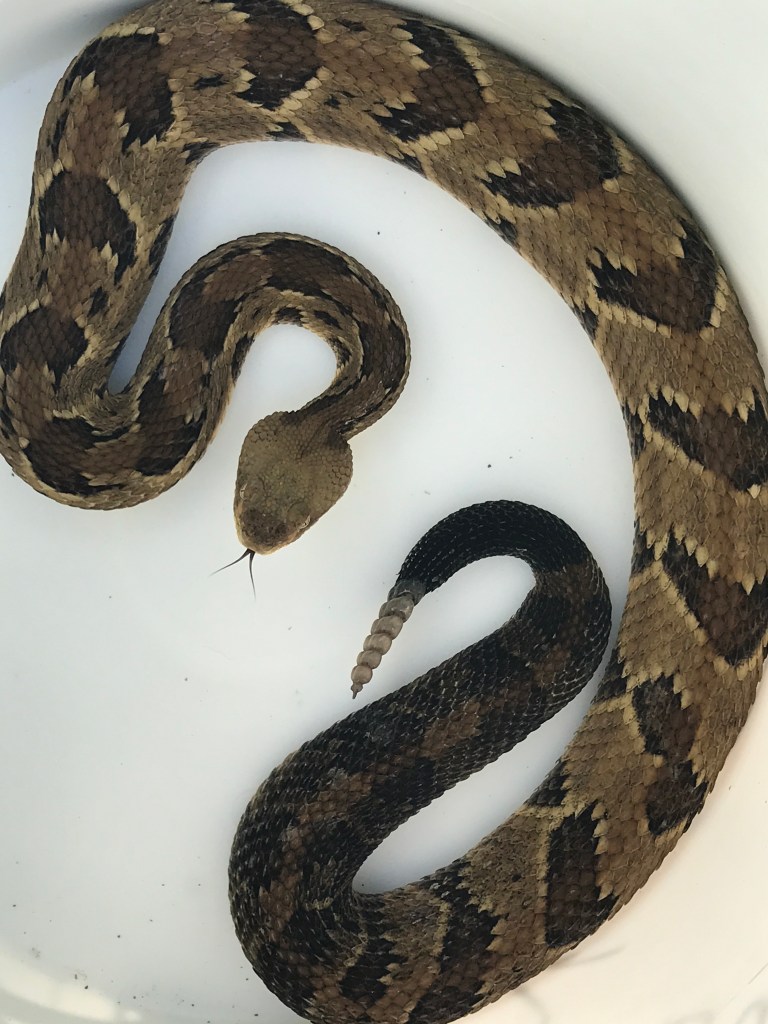
Speed walking to my truck, I planned how I’d move that snake. He knew he’d been seen. I grabbed my five-gallon compound bucket with air holes and writing on it in big black letters: Venomous snakes, Do NOT open!
The guys stood in a semi-circle ten feet back. The snake had pulled himself mostly under the pallet and was peeking out, flicking the air with his tongue. The only rattlesnake handling I’d done on the job so far was escorting one across the access road and helping another up and over the silt fence.
But I was calm. It was just the snake and me. I slipped the tip of the hook under his coil and eased him out, up, and down into the bucket. I got the lid on gently. I did it in one fluid motion, as if I’d been doing it all my life.
You can read the whole essay here: https://talkingwriting.com/nobody-loves-rattlesnakes
This one’s from The Diary of a Conservationist
I’ve had work during the pandemic since utilities are essential.… In April 2020, I was monitoring a section of power lines that went through wetland for threatened Blanding’s turtles. Industrial synthetic matting had been put down on the right-of-way for heavy trucks and equipment, to come in and do the work. But four of the poles had pools of water around them, so they were bringing in extra mats, the heavy wooden kind, to put down on the pools to support the extending legs of a bucket truck. Before the mats could go down, I was to check these pools for Blanding’s turtles.
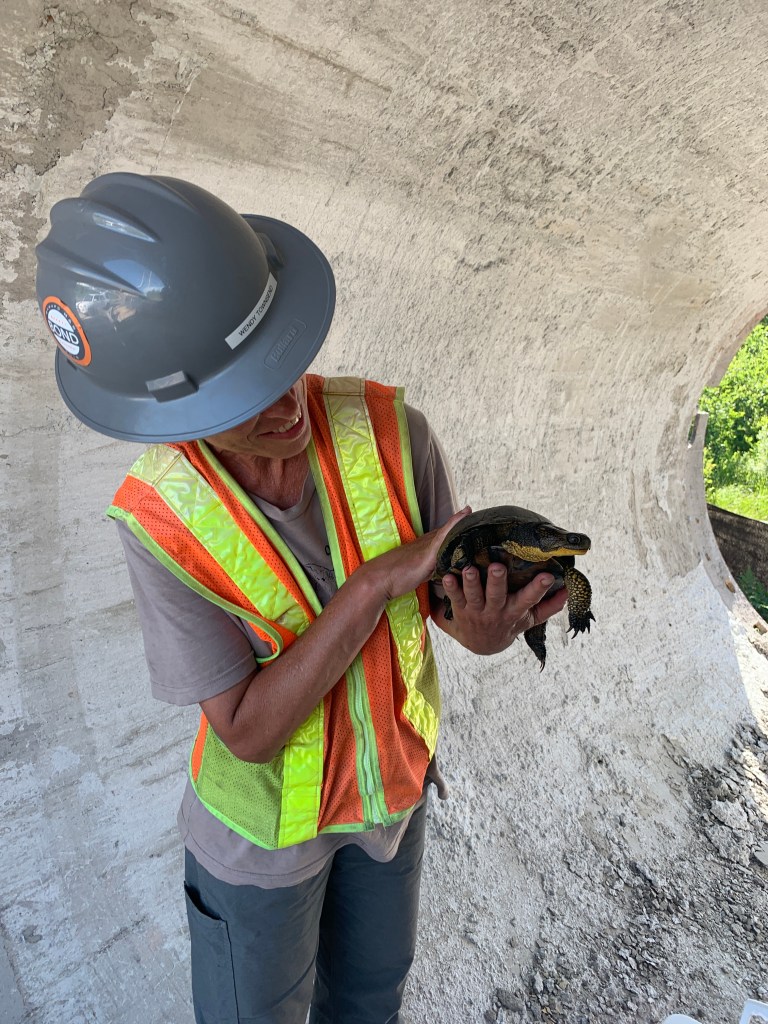
I heard the truck coming and stood up. The truck was a giant, roaring machine attached to a flatbed stacked with the wooden mats like huge pallets. I watched it turn and drive through the open gate and onto the right-of-way. The diesel engine vibrated in my bones and the earth trembled—I mean that I could see the mud actually moving—and the tadpoles darted here and there in short, straight lines as though panicked. The truck stopped by the pool, its engine rumbling. The driver got out of the cab, walked around the back, climbed into a seat, and waited to operate an iron claw on a cable.
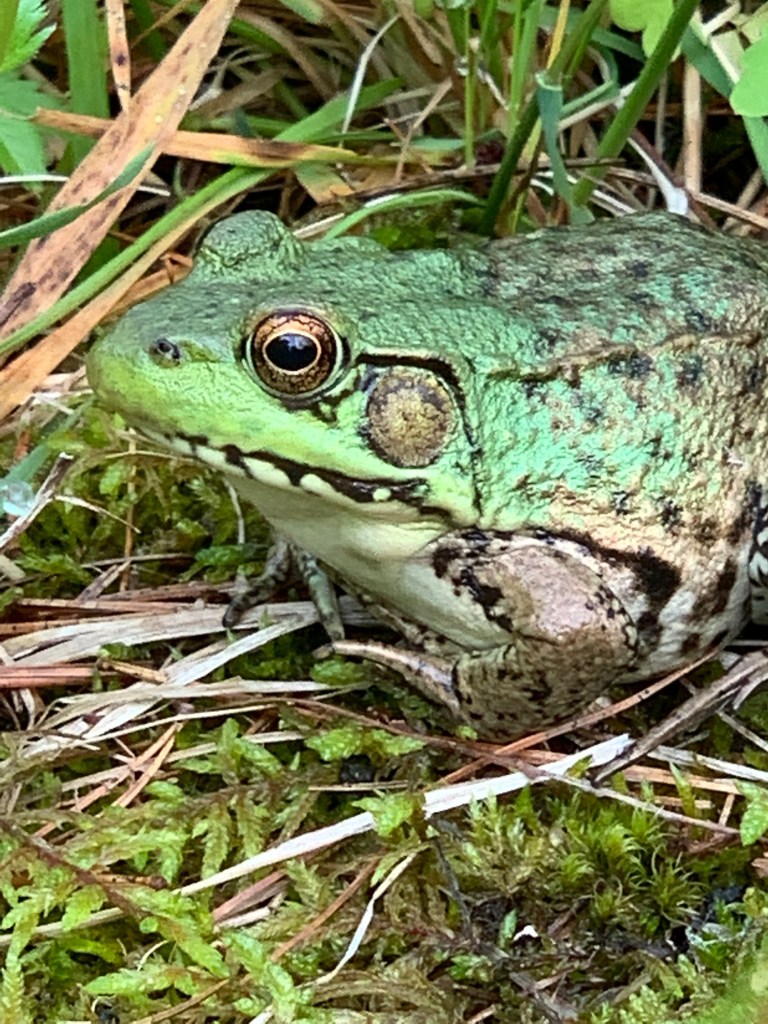
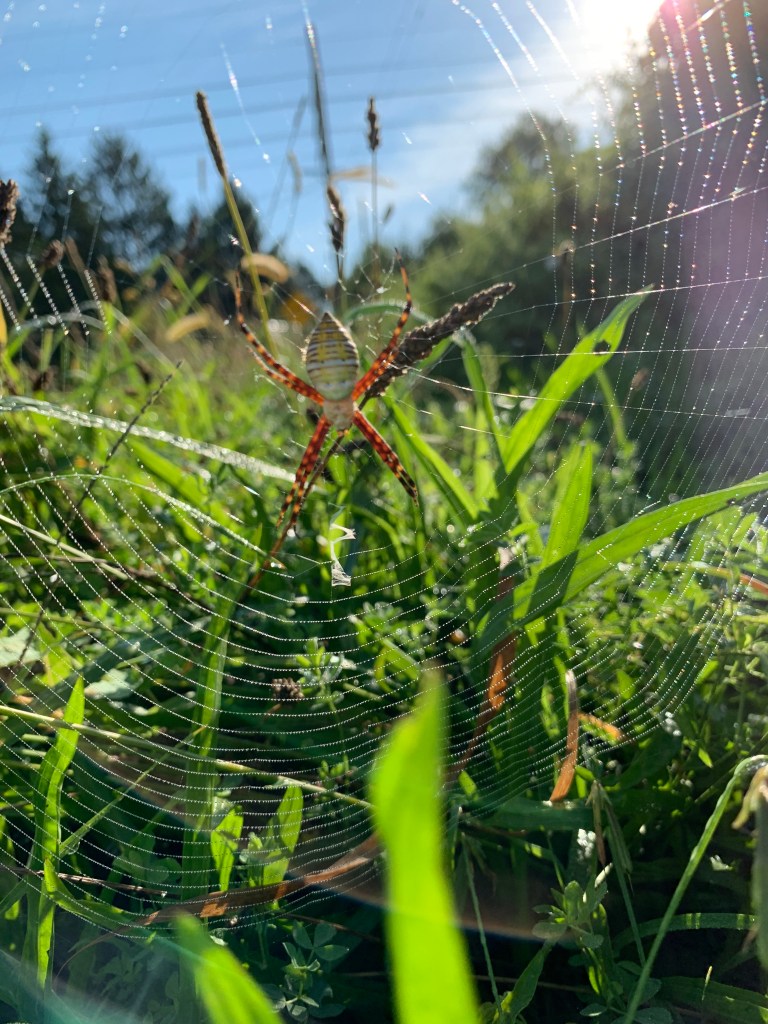
Even if I had my net and bucket, I couldn’t get the tadpoles out of the crisscrossing network of plant stems. Since no Blanding’s turtles were present, I had to give the okay. The claw picked up a mat by a chain wrapped around the middle planks and lifted it off the pile. Up in the air tilting, balancing, the claw swung the huge mat over the pool and dropped it, sending muddy water up in the air and rolling back into the wetland, bending the cattails, collapsing and tearing apart spider webs between their stalks.
• • •
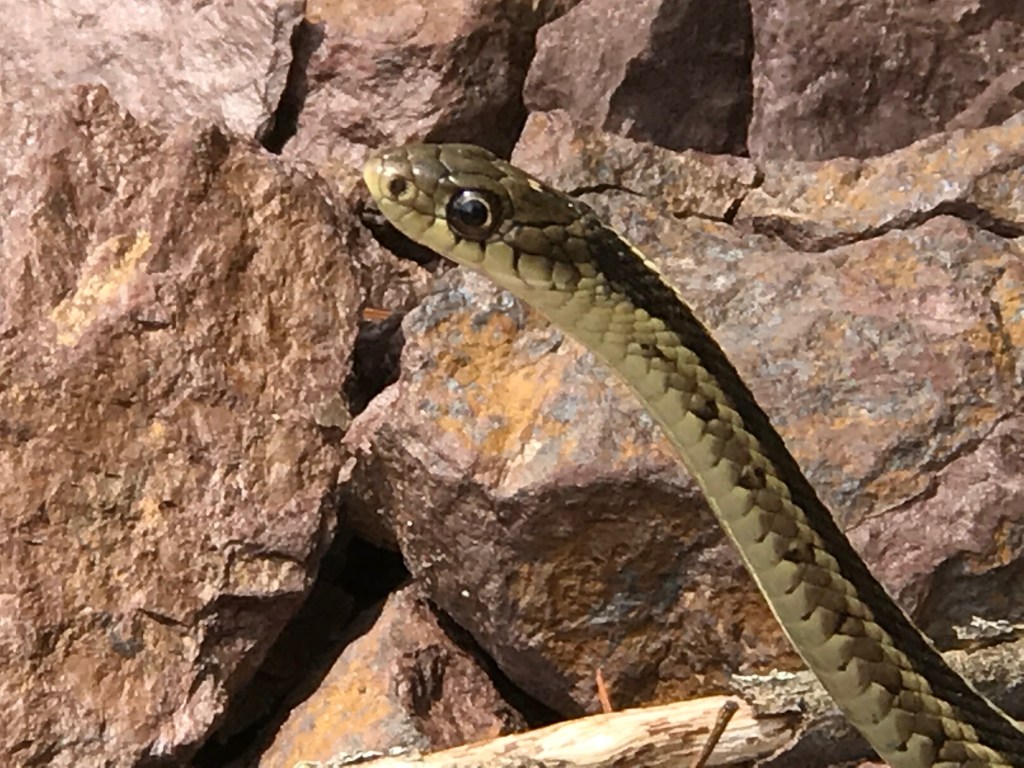
Every day the unnoticed lives of countless animals are cut short by our activities and there’s nothing I can do about it. That’s my adult, matter-of-fact tone I use when I have to distance myself from grief that’s too much to carry. But the grief has to go somewhere. Since I was ten years old, it often manifests in stomach trouble. Sometimes I put my hands there and my face scrunches up because the suffering of the frogs and turtles and snakes and lizards is there, the whole world of it; and I want to go back to being a child, when I believed that protecting animals was something I could do.
This essay is also on Talking Writing: https://talkingwriting.com/diary-conservationist
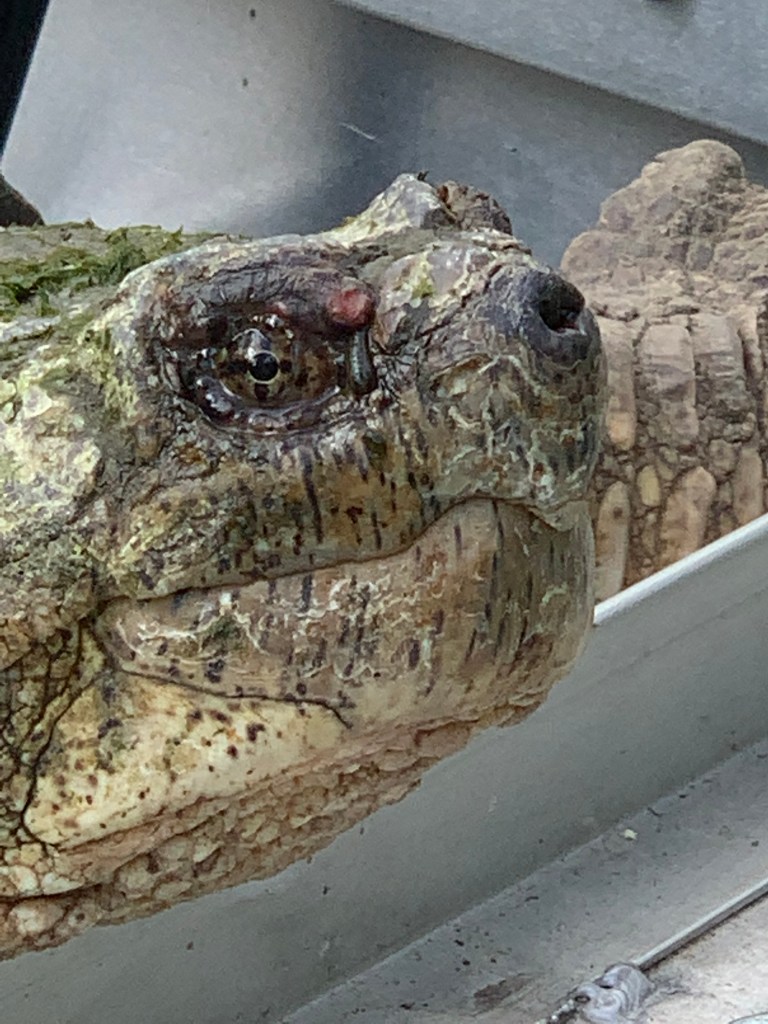
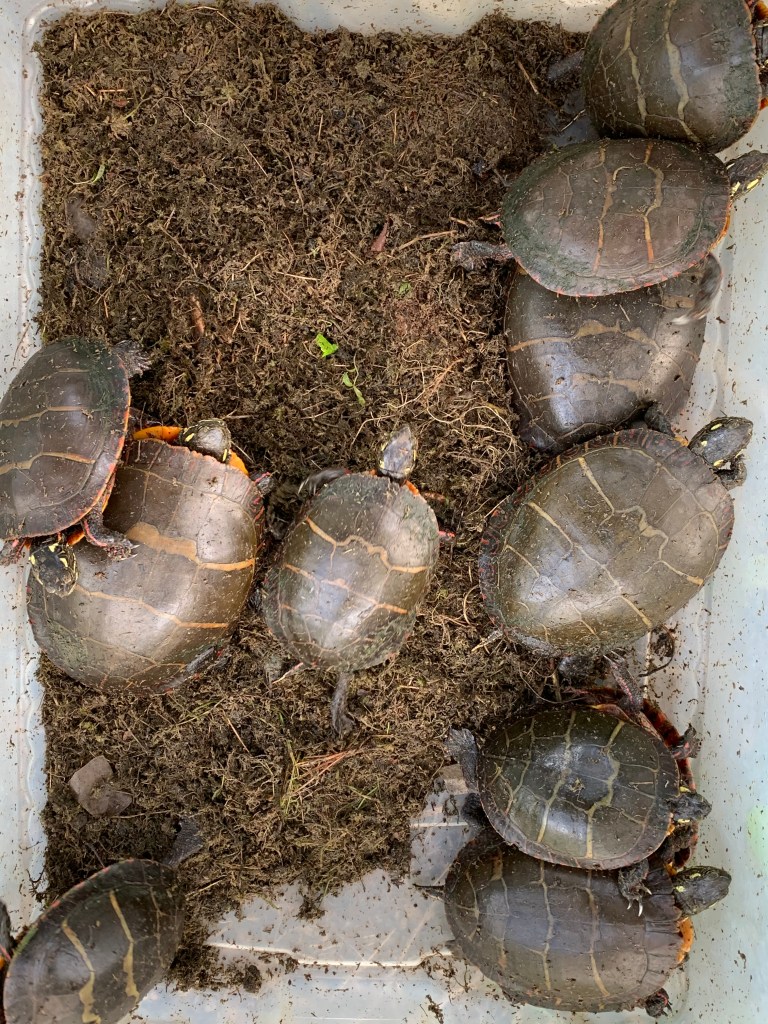
I worked on a farm pond restoration project in the summer of 2021 and saved 77 painted turtles and 20 snapping turtles from the excavators. I released all of them in a designated sanctuary swampland.
Here are excerpts from an essay I wrote about it.
Saving Turtles and Ourselves
On Monday, May 24th I got the biggest snapping turtle out. The excavator operator beeped the horn excitedly and I went leaping across the swamp from one grassy mat to the next as the giant yellow arm swung the iron bucket to me offering up fifty gallons of muddy water sloshing around and somewhere in all that a turtle who was trying to hide. The machine’s engine vibrated in my chest and ears, and I saw the edge of the snapper’s shell bob to the surface, and I plunged my hands in, and lifted him out, whole, and alive. I got you. My throat tightened with relief and a tear slipped out, surprising me.
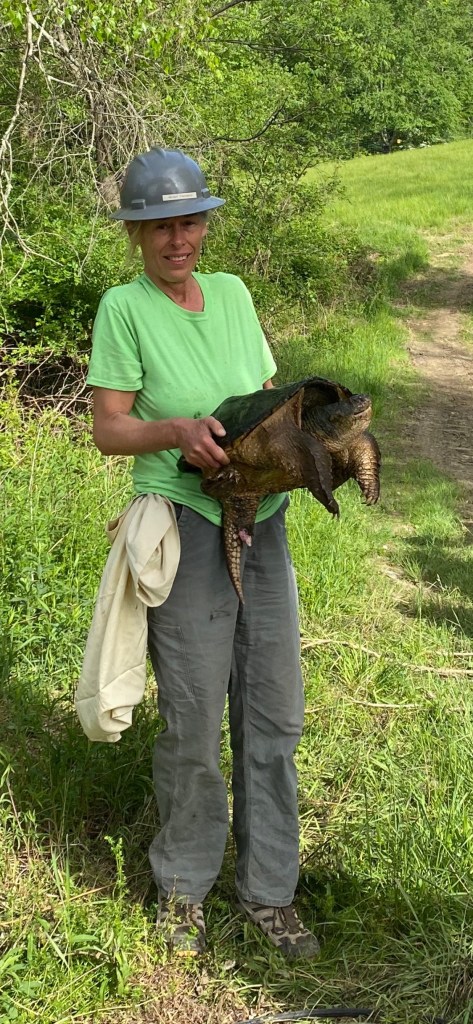
I carried the snapper by the saddles that connected the carapace and plastron of his shell, supporting his great weight on my stomach. His stegosaurus tail hung halfway down my leg and his head was bigger than my fist. He began to stretch out his neck as though pulling us on the walk to my truck, where he would have to ride in the toolbox, because he was too big for the turtle containers I’d brought. His jaws opened. If he snapped, his whole body would jolt, so I tightened my grip on the shell saddles and leaned forward to see his eyes and he saw mine. Slowly he closed his jaws, pulled his head in part way, and he stayed calm in the bed of my truck while I emptied the toolbox and settled him inside….
…Along with my turtle net I carried a snake stick. I’d been hired to protect timber rattlesnakes, because the site was within range of their dens, and since they are a threatened species, the law required a reptile monitor to be present. But the law didn’t care about painted turtles and snappers since they weren’t considered threatened. My boss said, “On jobs like that turtles are usually just collateral damage.”
…Saturday, June 19th I caught the 88th turtle in a pool that had formed between mounds of mud built up by the excavators. I stalked the little snapper all week, anxious since I was taking time off and for sure, his pool would be destroyed while I was away. My boss reminded me that the substitute monitor would not be getting in the mud to save turtles.
Every day when the sun reached the pool, I took off my boots and socks, rolled up my pants, and got in the water to try to catch that turtle. I’d see his nose up for air and take slow steady steps toward the pool until he saw me and went under. I’d take a few steps closer and then wait for him to resurface, shifting from one foot to the other, because he’d stay down a long time. When he revealed his location once more, I went quickly into the water, feeling around with my hands and not finding him. That Saturday I took off my boots and socks, walked into the pool and sat down. The water was up past my waist. I looked up at the clouds, along the shore at the trees –oak, maple, cherry, a birch — I watched a dragonfly dip her tail in the water and I told her not to lay her eggs here. I watched tadpoles and urged them to hurry up and grow legs, so they could survive out of water. Casually, I looked to my right and saw the snapper’s face coming up just below the surface at the same time he saw me, and I lunged as he dove under and caught him by the back of his shell and I shouted, Victory!
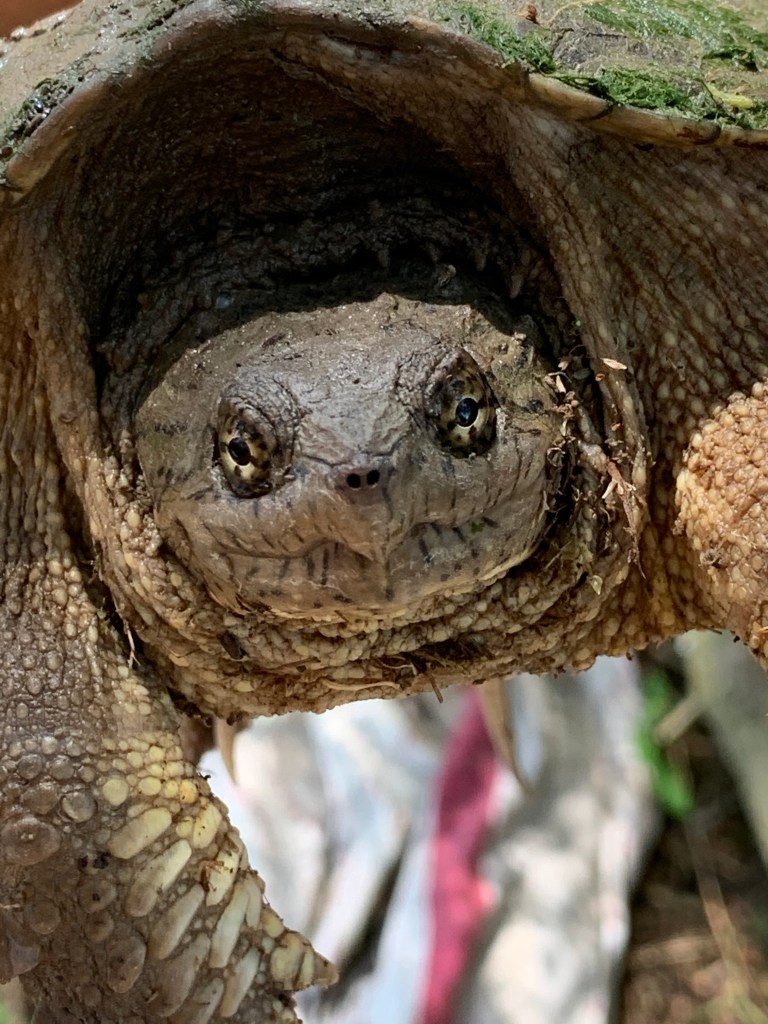
I sat in the mud holding my turtle and I had a great sense that the Universe was on my side. I saw how each turtle life saved and returned to the wild opened me to my empathy; to my best self, driving home the message that I was doing my work, and if I could keep writing about it, all the better.
Before I released the little snapper, I told him, “You will outlive me if you stay away from roads and the traps poachers set.”
In her memoir The Radiant Lives of Animals Linda Hogan says, “Soul loss is what happens as the world around us disappears.”
Wednesday, August 4th, I released the 96th turtle in The Great Swamp. I think that a big part of the emotion that hit me when I pulled the biggest snapper from the excavator bucket was grief for all the turtles, frogs, snakes, lizards –animals — who don’t make it. “Collateral damage.” I want my work to help us see the soul-saving power of reclaiming empathy for animals, and for each other so that we can save our planet and ourselves.
I posted the whole essay on Medium. https://wendytownsend.medium.com/saving-turtles-and-ourselves-695151945e87
 Lizard Lady